
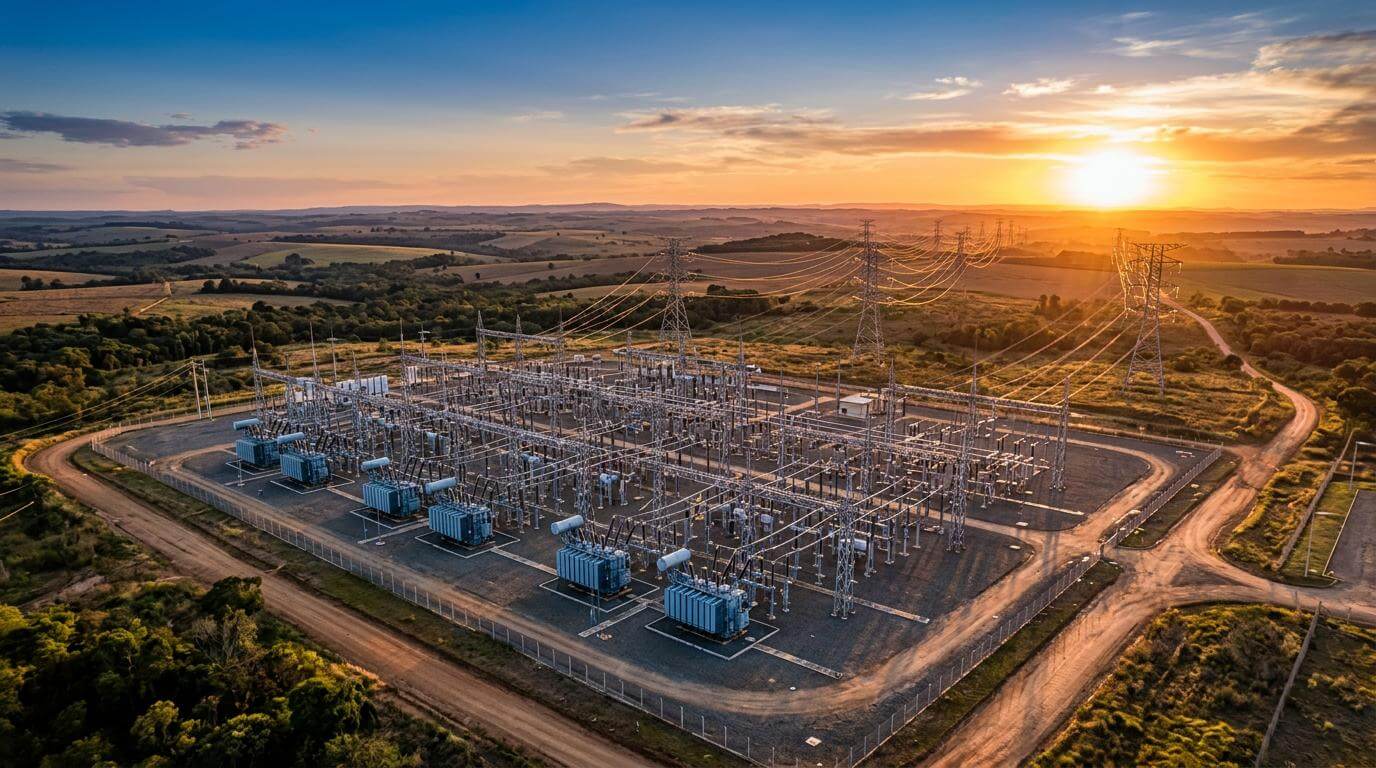
AI energy infrastructure is owned by utilities, electricity producers, transmission companies, and data center operators. Other businesses manufacture the electrical equipment needed to power artificial intelligence. No single company owns the entire system.
Retail investors can gain exposure through publicly traded utilities, power producers, electrical equipment manufacturers, and exchange-traded funds (ETFs) focused on energy or infrastructure.
Companies such as Constellation Energy, Vistra, Duke Energy, Eaton, and GE Vernova operate in different parts of the electricity system supporting AI data centers.
However, owning an energy stock does not automatically mean investing in AI growth. Most of these companies serve multiple industries, and their financial results depend on more than artificial intelligence.
The key question for investors is which businesses can convert rising AI electricity demand into sustainable revenue, profits, and cash flow.
Who Actually Owns the Energy Infrastructure Behind AI?
AI data centers depend on an interconnected electricity system. Different companies generate power, deliver it through electrical networks, manufacture equipment, and operate computing facilities.
Ownership and business activities fall into four main categories.
| Infrastructure Category | Who Owns or Supplies It | How the Business Makes Money |
|---|---|---|
| Electricity generation | Utilities and independent power producers | Selling electricity through contracts or wholesale markets |
| Power grids | Regulated utilities and transmission companies | Electricity delivery charges and regulated returns on approved investments |
| Electrical equipment | Industrial manufacturers | Selling transformers, switchgear, and power management systems |
| Data center infrastructure | Technology companies and specialized operators | Providing computing capacity, hosting, and related services |
These business models have different financial characteristics.
A regulated utility generally operates under rules governing customer rates and returns on approved infrastructure investments.
An independent power producer may have greater exposure to changing wholesale electricity prices, depending on its contracts.
An electrical equipment manufacturer earns revenue by selling products, with profitability influenced by orders, manufacturing costs, and competition.
Understanding these differences is more useful than simply identifying companies associated with AI.
For the broader picture of electricity consumption and infrastructure costs, see AI Energy Explained: How Much Electricity AI Uses and Who Pays for It.
Which Public Companies Are Exposed to AI Electricity Demand?
Several publicly traded companies operate businesses that could benefit from expanding data center electricity demand.
Their exposure varies by industry, business model, and the importance of AI-related customers to their operations.
| Company | Ticker | Main Business | Potential AI-Related Exposure |
|---|---|---|---|
| Constellation Energy | CEG | Electricity generation, including nuclear power | Long-term electricity supply agreements for data centers |
| Vistra | VST | Electricity generation and retail energy | Demand for reliable electricity generation |
| Duke Energy | DUK | Regulated electric utilities | Grid upgrades and electricity demand growth |
| Southern Company | SO | Regulated utilities and power generation | Electricity infrastructure investment |
| NextEra Energy | NEE | Regulated utility and energy development businesses | Electricity generation and infrastructure expansion |
| Eaton | ETN | Electrical equipment and power management | Data center electrical systems |
| GE Vernova | GEV | Power generation and electrification equipment | Turbines, grid equipment, and electricity infrastructure |
These companies are examples of relevant businesses, not a ranking of the best AI energy stocks.
Even a company experiencing strong demand can deliver disappointing investment returns if its share price already reflects overly optimistic expectations.
Investors should examine contracts, earnings, financing requirements, competition, and valuations before assessing any potential opportunity.
Nuclear Power: Why AI Companies Are Interested
Nuclear power has attracted interest because large AI data centers require dependable electricity, often throughout the day and night.
Unlike solar and wind generation, nuclear plants can produce substantial electricity continuously, subject to maintenance and operating conditions.
This makes existing nuclear generation assets potentially attractive to technology companies seeking reliable, lower-carbon power.
Constellation Energy provides a concrete example.
In September 2024, Constellation announced a 20-year power purchase agreement with Microsoft associated with the planned restart of Three Mile Island Unit 1, renamed the Crane Clean Energy Center.
The agreement illustrates how a technology company can secure long-term electricity supplies while a power producer gains a major customer.
However, a power purchase agreement does not guarantee that a planned project will begin operating on schedule. Restarting facilities requires investment, regulatory approvals, and successful execution.
Existing nuclear plants also require maintenance, while constructing new facilities can involve high upfront costs and lengthy development timelines.
For investors, the important factors are contract terms, operating expenses, regulatory approvals, and the ability to deliver electricity profitably.
Utilities: Could AI Increase Their Earnings?
Regulated utilities offer another way to gain exposure to electricity demand from AI data centers.
Companies such as Duke Energy and Southern Company operate electricity networks serving households, businesses, and industrial customers.
When new data centers require more electricity, utilities may invest in substations, transmission lines, and additional generating capacity.
Under traditional regulated utility models, approved infrastructure investments can increase the asset base on which companies are allowed to earn returns.
But higher infrastructure spending does not automatically produce higher shareholder profits.
Utilities often need regulatory approval to recover costs from customers. They must also finance construction through operating cash flow, debt, or new equity.
Higher borrowing costs, construction delays, and unfavorable regulatory decisions can reduce expected returns.
Why More Electricity Sales Do Not Always Mean Higher Profits
Consider a utility serving an area where several large data centers are planned.
Those facilities could substantially increase electricity demand, but connecting them might require billions of dollars in infrastructure investment.
If regulators approve the spending and allow reasonable returns, the utility may benefit over time.
However, unexpected construction expenses, financing costs, or restrictions on electricity rate increases could reduce profitability.
Investors should therefore evaluate approved capital spending, regulatory decisions, financing requirements, and actual customer commitments rather than relying solely on demand forecasts.
Power Producers: Selling Electricity to the AI Economy
Independent power producers generate electricity and sell it through wholesale markets, commercial contracts, or other arrangements.
Vistra and Constellation Energy are examples of companies with substantial electricity generation operations.
Their potential AI exposure comes from increased electricity consumption, long-term supply agreements, and changing regional power market conditions.
However, the financial benefits depend on how electricity is sold.
A producer with most of its output committed under fixed-price contracts may have limited immediate exposure to rising wholesale electricity prices.
Another producer might benefit from higher market prices but face increased fuel, maintenance, or financing costs.
Investors should examine:
- Generating capacity: How much electricity the company can produce and where its facilities operate.
- Contract structure: Whether electricity is sold under long-term agreements or at market prices.
- Operating costs: Fuel, maintenance, and other expenses required to generate power.
- Capital requirements: How much additional investment is needed to expand or maintain operations.
- Cash flow: Whether rising electricity demand is producing measurable financial benefits.
The goal is to understand how demand growth translates into actual earnings rather than assuming higher electricity consumption benefits every producer equally.
Electrical Equipment: The Companies Supplying AI Power Infrastructure
AI data centers need more than electricity generation. They also require equipment to distribute, control, and protect the power supplied to computing systems.
Transformers, switchgear, backup power systems, and electrical distribution equipment are essential parts of that infrastructure.
This creates opportunities for industrial manufacturers that do not necessarily own power plants or electricity networks.
Eaton supplies electrical power management products used in data centers and other industrial facilities.
GE Vernova provides power generation equipment and technologies used in electricity transmission and grid infrastructure.
For example, a utility expanding its network may purchase additional transformers, while a data center operator may invest in specialized electrical distribution systems.
Equipment manufacturers can benefit from infrastructure investment across multiple energy technologies, including natural gas, nuclear, and renewable power.
However, stronger demand does not guarantee higher profitability. Production capacity, component costs, competition, delivery schedules, and pricing influence financial results.
Investors should distinguish growing order backlogs from completed deliveries, recognized revenue, and actual profits.
Do Microsoft, Amazon, Google, and Meta Own AI Energy Infrastructure?
Major technology companies influence AI electricity infrastructure primarily through data center investments, power purchase agreements, and partnerships with energy suppliers.
Microsoft, Amazon, Alphabet, and Meta invest heavily in computing facilities and the infrastructure needed to support their operations.
However, purchasing electricity through a long-term contract does not mean owning the power plant that generates it.
A technology company may own and operate a data center while purchasing electricity from a utility or independent producer.
Alternatively, it may lease computing facilities from specialized data center operators or participate directly in selected energy infrastructure investments.
These arrangements distribute revenue across different businesses.
Technology companies can earn money from AI services. Electricity producers sell power. Utilities deliver electricity, while equipment manufacturers supply the infrastructure required to operate these systems.
No single company captures all the economic benefits of AI electricity demand.
How Can Retail Investors Invest in AI Energy Infrastructure?
Retail investors generally have three practical ways to gain exposure: individual stocks, sector ETFs, and broader diversified investments.
Each approach involves different levels of concentration, diversification, and risk.
1. Buy Individual Energy Infrastructure Stocks
Investors can purchase shares of publicly traded utilities, power producers, or equipment manufacturers through a brokerage account.
For example, someone interested in nuclear electricity generation could research Constellation Energy, while an investor focused on electrical equipment might examine Eaton or GE Vernova.
Individual stocks allow investors to choose specific business models and evaluate their financial performance directly.
However, they also create company-specific risk.
A business can experience operational problems, regulatory setbacks, disappointing earnings, or falling valuations even when the broader AI infrastructure market is expanding.
2. Use Energy or Utility ETFs
Exchange-traded funds provide exposure to baskets of companies rather than relying on a single stock.
Examples include:
| ETF | Ticker | Main Exposure |
|---|---|---|
| Utilities Select Sector SPDR Fund | XLU | Large U.S. utilities |
| Vanguard Utilities ETF | VPU | Broad U.S. utilities sector |
| iShares U.S. Utilities ETF | IDU | U.S. utility companies |
| Global X U.S. Infrastructure Development ETF | PAVE | U.S. infrastructure-related companies |
These funds are not pure AI energy investments.
A utilities ETF may hold companies with little direct exposure to AI data centers, while an infrastructure ETF can include transportation, construction, and industrial businesses.
Investors should review each fund's current holdings, expense ratio, sector concentration, and investment objective before deciding whether it provides the exposure they want.
3. Invest Through Broader Technology or Infrastructure Exposure
Investors may already own AI-related energy businesses through diversified stock market funds.
Broad portfolios can include technology companies, utilities, and industrial manufacturers involved in the AI infrastructure supply chain.
Adding specialized energy stocks or ETFs could therefore increase exposure to businesses or investment themes already represented in a portfolio.
Checking existing holdings helps investors avoid unintended concentration.
What Are the Biggest Risks of Investing in AI Energy?
Rising electricity demand does not guarantee rising stock prices. Several risks can affect businesses connected to AI infrastructure.
Overvaluation: A company may have attractive growth prospects but deliver weak investment returns if its shares already reflect excessive expectations.
Overestimated demand: Data center projects can be delayed, reduced, or canceled because of financing conditions, technology improvements, or weaker-than-expected AI adoption.
Regulatory uncertainty: Utility rates, infrastructure approvals, and electricity market rules can affect future earnings.
Construction and financing costs: Power plants, transmission networks, and electrical infrastructure require substantial capital. Cost overruns or expensive borrowing can reduce returns.
Technology improvements: More efficient AI hardware and software may reduce electricity consumption per computing task, although total demand could continue growing as usage expands.
Environmental constraints: Water availability, emissions requirements, and community opposition can increase costs or delay infrastructure projects.
For a closer look at these environmental pressures, read AI's Environmental Impact: Water, Emissions, and How It Compares to Other Industries.
Who Decides Where AI Energy Infrastructure Can Be Built?
Owning electricity infrastructure does not provide unrestricted control over where new facilities can be developed.
Power projects and data centers may require permits, environmental reviews, grid connections, and agreements with local authorities.
Utilities can also need regulatory approval before recovering infrastructure costs from customers.
These requirements influence construction schedules and expected financial returns.
For example, a company may announce a new power generation project but encounter delays securing permits, financing, or electricity network connections.
Investors should distinguish announced projects from approved, financed, and operational assets.
The broader relationship between corporate influence, regulation, and AI oversight is explored in Who Controls AI and Can It Be Stopped? What Investors Should Know.
How to Evaluate an AI Energy Stock Before Investing
Rather than assuming every electricity-related company will benefit from AI, investors can focus on a few financial indicators.
| What to Examine | Why It Matters |
|---|---|
| Revenue exposure | Shows how much of the business depends on relevant infrastructure demand |
| Contracts and customers | Helps assess future revenue visibility and customer reliability |
| Capital expenditure | Reveals the investment required to support expansion |
| Debt and financing costs | Indicates financial pressure from infrastructure development |
| Profit margins and cash flow | Shows whether demand is translating into financial results |
| Stock valuation | Helps determine whether growth expectations are already reflected in the share price |
Consider two hypothetical companies.
Company A expects strong electricity demand but must borrow heavily to construct new infrastructure.
Company B already operates profitable generating assets and has secured long-term electricity contracts.
Company A might offer greater growth potential if its projects succeed, but it also faces construction and financing risks.
Company B may have more predictable revenue, although its stock could already trade at a valuation reflecting that advantage.
Neither is automatically the better investment. Expected returns depend on financial performance, execution, valuation, and the risks an investor is willing to accept.
The Bottom Line: Owning AI Energy Means Understanding the Entire Power System
AI energy infrastructure is not owned by one company or industry.
Utilities operate much of the electricity delivery network. Power producers generate electricity. Equipment manufacturers supply essential electrical systems, while technology companies purchase power and computing capacity to support AI services.
Retail investors can gain exposure through individual stocks, utility ETFs, infrastructure funds, or broader diversified portfolios.
However, AI electricity demand and investment returns are not the same thing.
Companies must convert growing infrastructure needs into profitable operations, sustainable cash flow, and returns that justify their valuations.
For investors, the most useful approach is to understand which part of the electricity system a company operates in, how it earns money, and which financial risks could affect its performance.
The investment opportunity is not simply owning companies associated with AI energy. It is identifying businesses capable of earning sustainable profits from the infrastructure needed to support AI's expansion.
Disclaimer: This article is for informational and educational purposes only and does not constitute financial or investment advice. All investments involve risk, including potential loss of principal.