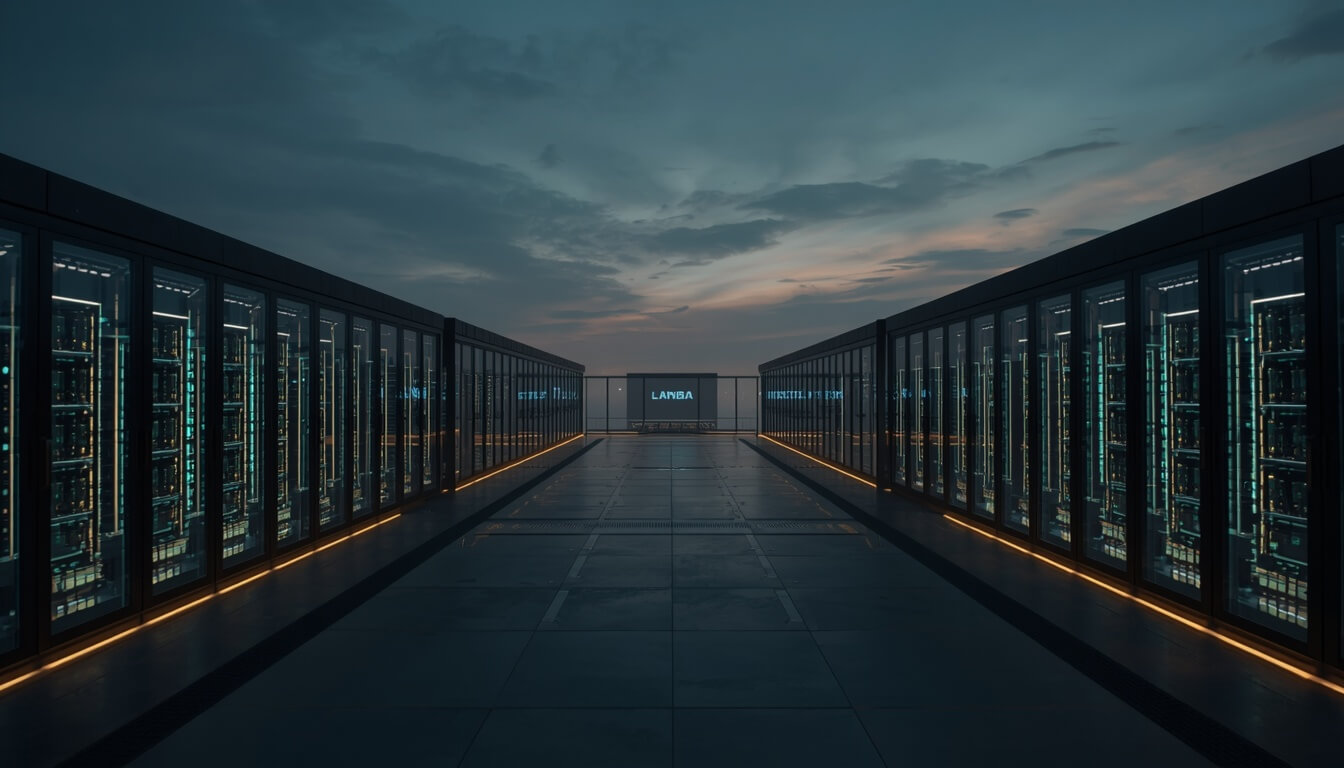
SpaceX is seeking $40 billion in financing to purchase Nvidia artificial intelligence chips, according to reports published on October 6–7, 2026. Elon Musk's company is negotiating with banks and major investment firms to fund a significant expansion of its AI computing infrastructure.
The proposed financing includes approximately $10 billion in bank loans and $30 billion in investment-grade debt. Apollo Global Management is expected to lead the transaction, while investment manager PIMCO is among the firms involved in discussions.
The deal has not been finalized and is reportedly expected to close in 2027. Its size highlights a growing trend in the AI industry: companies are turning to debt markets to finance increasingly expensive computing infrastructure.
Why Does SpaceX Need $40 Billion in Nvidia Chips?
SpaceX has expanded beyond its traditional rocket, satellite and space transportation businesses into artificial intelligence through its integration with xAI.
Developing and operating advanced AI models requires enormous computing capacity. Thousands of powerful processors work together to train models, process information and deliver AI services to users.
Nvidia supplies many of the specialized processors used for these tasks.
Elon Musk has indicated that Nvidia hardware will remain central to the company's AI infrastructure strategy. He has also said that xAI's Colossus 2 data center could more than double its Nvidia chip count by December 2026.
That helps explain the scale of the proposed financing.
SpaceX is seeking the computing hardware needed to compete in an AI market where access to processing capacity has become a strategic advantage. Expanding that capacity could support more powerful models and additional commercial AI services.
However, the reported $40 billion represents proposed financing, not a completed chip purchase or money already spent.
How Would the $40 Billion Financing Work?
According to Reuters and the Financial Times, the proposed financing would have two main components:
- $10 billion in bank loans: Money borrowed from banks that SpaceX would repay under agreed lending terms.
- $30 billion in investment-grade debt: Borrowing that could be placed with institutional investors, including pension funds, insurance companies and asset managers.
Investment-grade debt refers to borrowing that credit rating agencies consider relatively lower risk than speculative-grade debt. SpaceX reportedly holds a BBB credit rating, which could make its bonds eligible for a wider range of institutional investors.
Apollo Global Management is expected to help arrange the financing and distribute the debt to investors. PIMCO has also been identified as a potential participant.
The proposed structure would allow SpaceX to raise substantial capital without relying entirely on issuing additional shares.
For existing shareholders, that distinction matters. Issuing new shares can reduce their percentage ownership, while borrowing avoids immediate dilution but creates interest expenses and repayment obligations.
The transaction is reportedly expected to close in 2027, although the final amount, financing terms and completion date remain uncertain.
Why Is AI Infrastructure Becoming So Expensive?
SpaceX's financing proposal reflects the rising cost of building competitive AI systems.
Developing advanced AI requires more than software. Companies must invest in processors, data centers, electricity, cooling systems and high-speed networking equipment.
Our guide to what infrastructure AI actually needs, including chips, data centers and power explains why these components are essential to the industry's expansion.
For major AI developers, infrastructure spending can reach tens of billions of dollars before the resulting computing capacity generates enough revenue to justify the investment.
Morgan Stanley estimates that AI infrastructure could require approximately $1.5 trillion in external financing by 2028.
That estimate illustrates how much capital the industry may need beyond the cash companies generate internally.
SpaceX's proposed transaction is one example of how AI expansion is becoming increasingly connected to banks, bond markets and institutional investors.
Why Does This Matter for Nvidia?
Nvidia is one of the most direct potential beneficiaries of SpaceX's expansion.
Its processors are widely used to train and operate advanced AI models, making the company a major supplier to developers building large computing systems.
A financing package intended to purchase Nvidia chips points to continued demand for its hardware. However, proposed financing does not automatically translate into confirmed Nvidia revenue.
Investors should distinguish between plans to raise money, actual chip orders and completed deliveries. The timing and financial impact of any purchase will depend on final agreements and execution.
There is also a broader issue to consider.
As customers borrow money to purchase AI hardware, part of Nvidia's future demand becomes connected to their ability to secure financing and earn sufficient returns from expensive infrastructure.
That does not mean the demand is unsustainable. It does mean investors should monitor customers' financial strength alongside Nvidia's technology leadership and product demand.
SpaceX Is Not the Only Company Raising Billions for AI
Other companies are also pursuing substantial financing to expand AI computing capacity.
For example, Nvidia-backed cloud infrastructure provider Lambda has reportedly been seeking $4 billion ahead of a planned 2027 initial public offering.
As covered in our article on Lambda's $4 billion financing plans and Nvidia's involvement, access to capital is becoming an important competitive factor in the AI infrastructure market.
SpaceX and Lambda operate different businesses, but both illustrate the financial demands of expanding AI computing capacity.
Advanced processors are expensive, infrastructure requires additional investment, and companies often need funding before their new systems can generate meaningful revenue.
This trend also affects businesses beyond semiconductor manufacturers.
Banks and asset managers may earn fees or investment returns from financing transactions, while data center operators and infrastructure suppliers may benefit from additional construction and equipment demand.
Our analysis of the companies building AI infrastructure explores the different businesses involved in this market.
What Are the Biggest Risks of SpaceX's AI Financing Plan?
The proposed financing could accelerate SpaceX's AI expansion, but taking on $40 billion in additional borrowing would also create significant financial obligations.
Three risks deserve attention.
1. Higher debt and interest costs
Borrowed money must be repaid, and interest expenses reduce the cash available for other investments.
If AI operations take longer than expected to generate sufficient revenue, debt payments could put additional pressure on the company's finances. The eventual cost will depend on the interest rates and repayment terms agreed with lenders.
2. Rapid changes in AI hardware
AI processors continue to improve quickly. Equipment purchased today could face competition from more powerful or efficient systems within a few years.
That creates pressure to generate enough economic value from expensive hardware before newer technology reduces its competitive advantage.
3. Uncertain returns on AI investment
Owning large amounts of computing capacity does not guarantee strong profits.
SpaceX must ultimately generate sufficient revenue from AI products, services or computing contracts to justify the infrastructure investment and associated financing costs.
These risks do not mean the expansion will fail. They explain why the financial returns from new computing capacity matter as much as the size of the investment.
What Does the Deal Mean for Investors?
The reported financing proposal has different implications for SpaceX, Nvidia and the financial companies involved.
SpaceX shareholders: Borrowing could accelerate AI expansion without immediately diluting existing ownership. However, additional debt would increase interest expenses and repayment obligations, making the returns on new infrastructure especially important.
Nvidia shareholders: The proposed chip purchases suggest continued demand for advanced AI processors. Investors should watch whether the financing results in confirmed orders, deliveries and revenue rather than treating the reported amount as guaranteed sales.
Apollo and other financial firms: Arranging large financing transactions can generate fees, while participating lenders and investors may earn interest income. Actual benefits depend on the final structure, pricing and credit risks.
Broader technology investors: The proposal illustrates how AI infrastructure expansion increasingly depends on access to external capital. Borrowing can support faster growth, but it also exposes companies to financing costs and the risk that expected AI revenue takes longer to materialize.
The key issue is not simply which companies can build the largest AI systems. It is also which companies can finance those systems responsibly and generate sufficient returns.
What Happens Next?
Several developments will determine the significance of SpaceX's reported financing plans.
First, the financing itself. Investors should watch whether SpaceX completes the proposed $40 billion transaction, including the final amount, interest rates, repayment terms and participating institutions. The deal is reportedly expected to close in 2027.
Second, confirmed Nvidia chip purchases. Actual orders, delivery schedules and infrastructure deployment will show how quickly the proposed financing translates into additional computing capacity.
Third, the expansion of Colossus. Progress toward Musk's stated ambitions for increasing Nvidia hardware capacity at xAI's Colossus facilities will provide a clearer indication of the company's execution.
Finally, the financial returns. Investors should monitor whether SpaceX's AI operations can generate enough revenue and economic value to support the cost of their expansion.
The proposed financing highlights both the opportunity and the financial challenge behind the AI boom.
Access to computing power is becoming a competitive advantage, but the ability to finance that computing power sustainably may prove just as important.
For SpaceX, securing $40 billion would represent a major step in expanding its AI infrastructure. Whether that investment ultimately produces attractive financial returns remains uncertain.
This article is for informational purposes only and does not constitute investment advice. Always do your own research before making investment decisions.