
From NVIDIA and AMD to Google, Amazon, Microsoft and specialized startups: the AI chip race is no longer just about faster processors. It is a contest over architectures, software and infrastructure.
Read article →Research, Tech & the Future Economy Research & Future Tech
DipSonar Research explores the intersection of markets, technology and the future economy.
We publish quantitative research on market behaviour, risk and statistical patterns, alongside forward-looking articles on emerging technologies, new industries and global megatrends.
From AI and space economy to the future of energy, healthcare and manufacturing — data-driven analysis, long-term perspective.
AI is rewriting the economics of computing: from the limits of traditional CPUs to the rise of specialized accelerators, custom silicon and high-bandwidth memory. An analysis of the new semiconductor cycle.
Read article →
Automation is changing the economics of global manufacturing. As robots become more flexible and factories more software-driven, labor costs and proximity to markets weigh differently.
Read article →
From ABB and FANUC to Boston Dynamics and NVIDIA, the industrial robotics market is no longer just about robotic arms. A diverse ecosystem is shaping the next generation of automation.
Read article →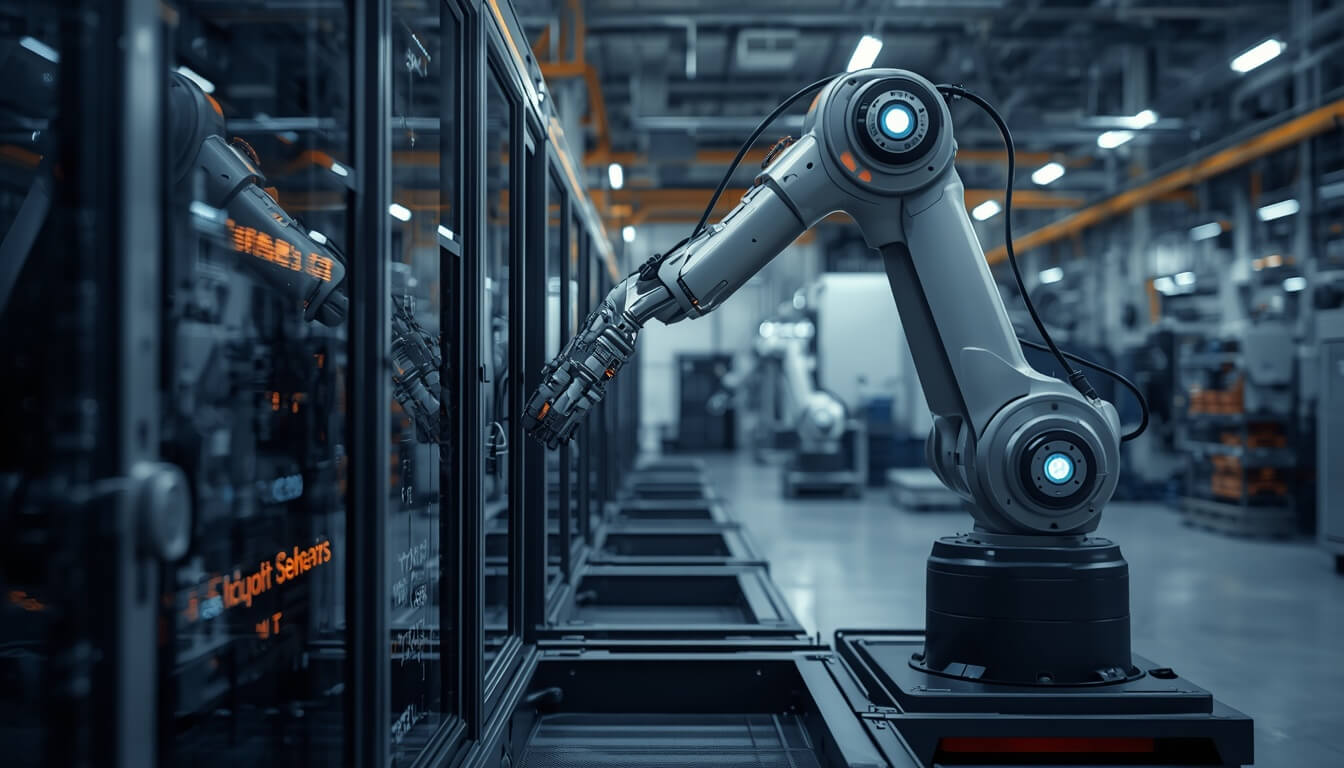
Industrial robotics is shifting from fixed automation toward intelligent, connected systems. AI, computer vision and collaborative robots are making machines more adaptable.
Read article →
Updates, Stats And Research.
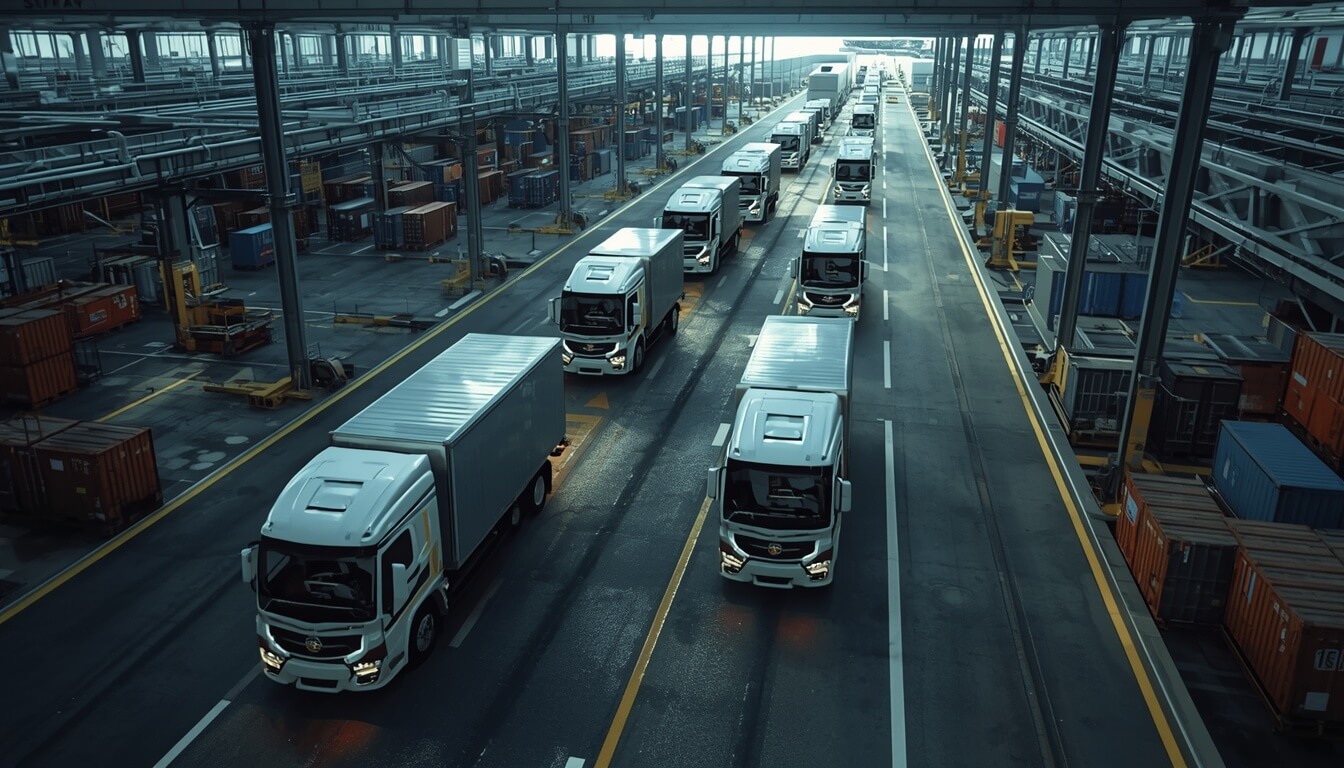
Self-driving cars are only the beginning. From robotaxis to freight and last-mile delivery, automation could reorganize the entire transportation ecosystem as it shifts to software-managed networks.
Read article →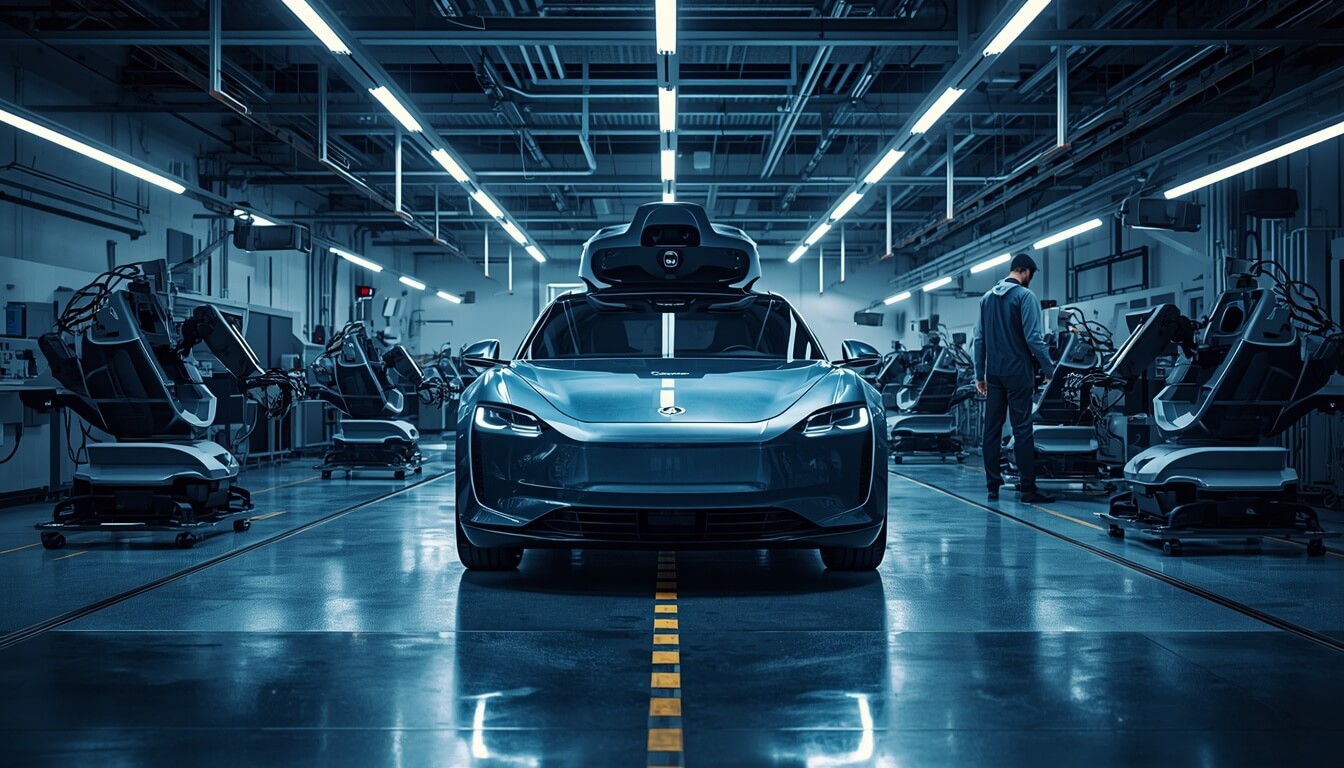
Autonomous driving is no longer a race between carmakers alone. Waymo, Zoox, Tesla, Mobileye and others are attacking different layers of the problem. Here is the ecosystem behind driverless transportation.
Read article →
Autonomous vehicles are already on the road, but true driverless transport remains a distant goal. This analysis breaks down the six levels of automation and what still stands in the way.
Read article →
Quantum computing could become a specialized tool for optimization, simulation and risk analysis across finance, pharma and logistics. Here is where practical advantages could emerge.
Read article →
Quantum computing has moved from university labs into a commercial race, with IBM, Google, Microsoft and others pursuing different architectures. Here is why the next milestone is reliability, not qubit count.
Read article →