
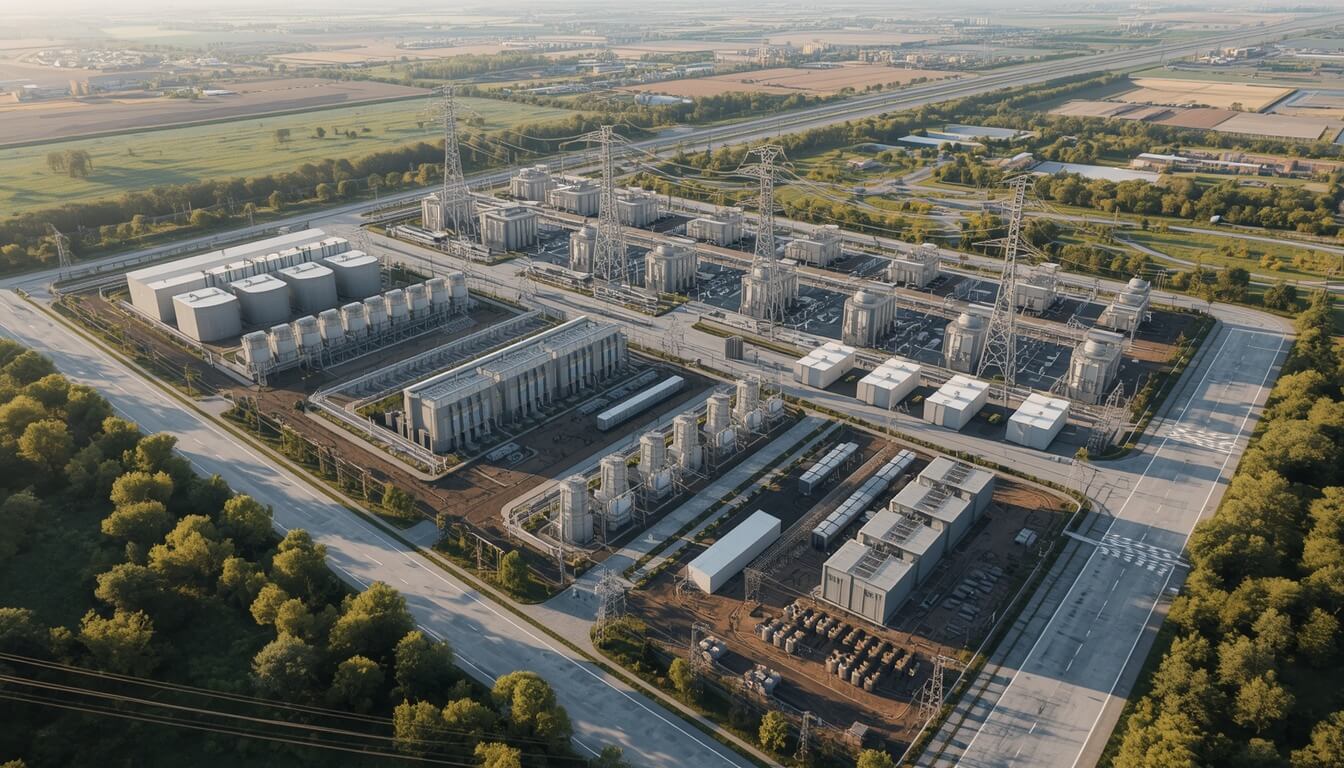
A more electricity-intensive economy will require far more than additional power plants. Generation, transmission, distribution, storage and digital grid management must all expand together.
Read article →Research, Tech & the Future Economy Research & Future Tech
DipSonar Research explores the intersection of markets, technology and the future economy.
We publish quantitative research on market behaviour, risk and statistical patterns, alongside forward-looking articles on emerging technologies, new industries and global megatrends.
From AI and space economy to the future of energy, healthcare and manufacturing — data-driven analysis, long-term perspective.
Data centers, advanced manufacturing and electrification are converging to reshape global power demand. AI computing, semiconductor factories and EVs are all adding new loads to electricity systems.
Read article →
Electricity is shifting from a supporting utility to a central platform of economic activity. As transportation, industry and digital infrastructure become electrified, demand growth could reshape investment decisions.
Read article →
Electricity has moved from a background operating cost to a strategic asset in AI infrastructure: power availability now shapes where data centers are built and how fast they come online.
Read article →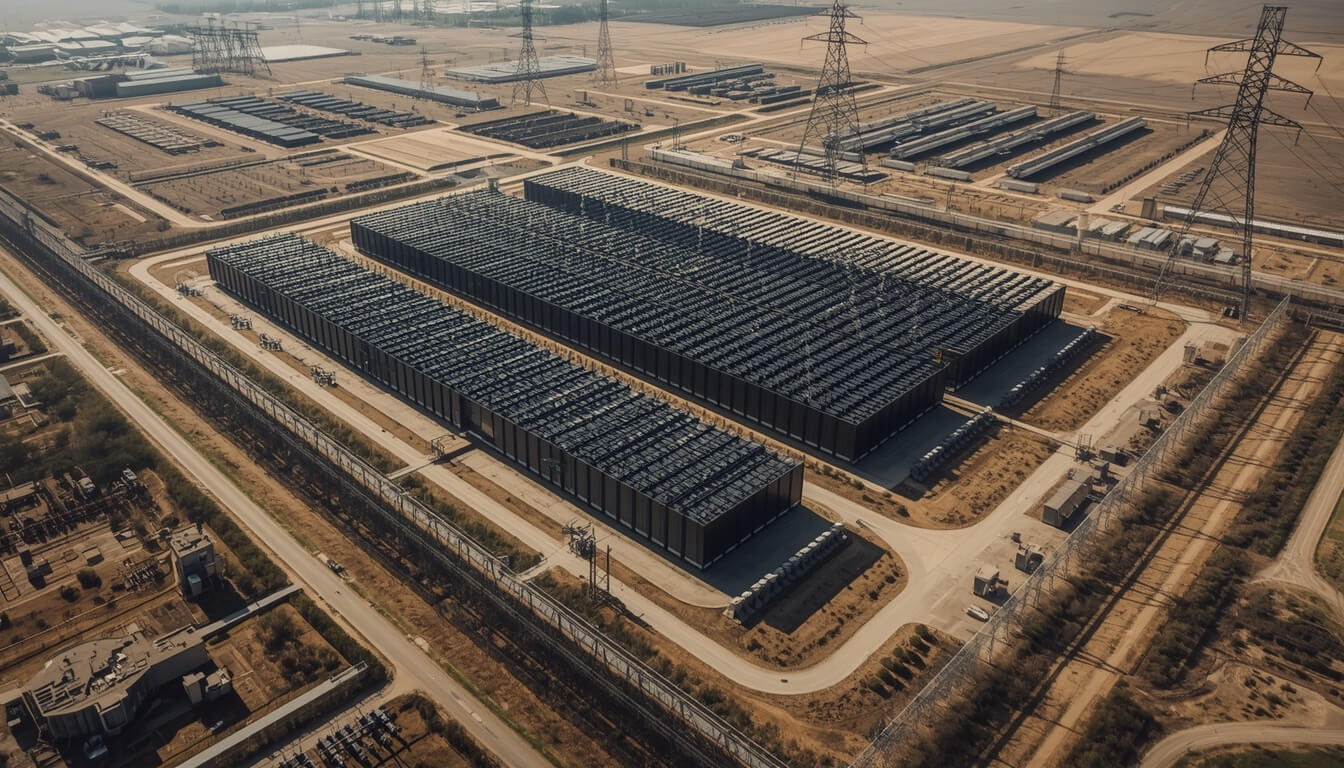
AI is forcing data center companies to compete long before a server is installed: power, land, grid connections and construction capacity are now the real battleground for building new capacity.
Read article →
Updates, Stats And Research.
AI is not just another cloud workload — it could reshape the balance of power between AWS, Microsoft and Google. Specialized chips, energy access and model ecosystems are becoming new sources of differentiation.
Read article →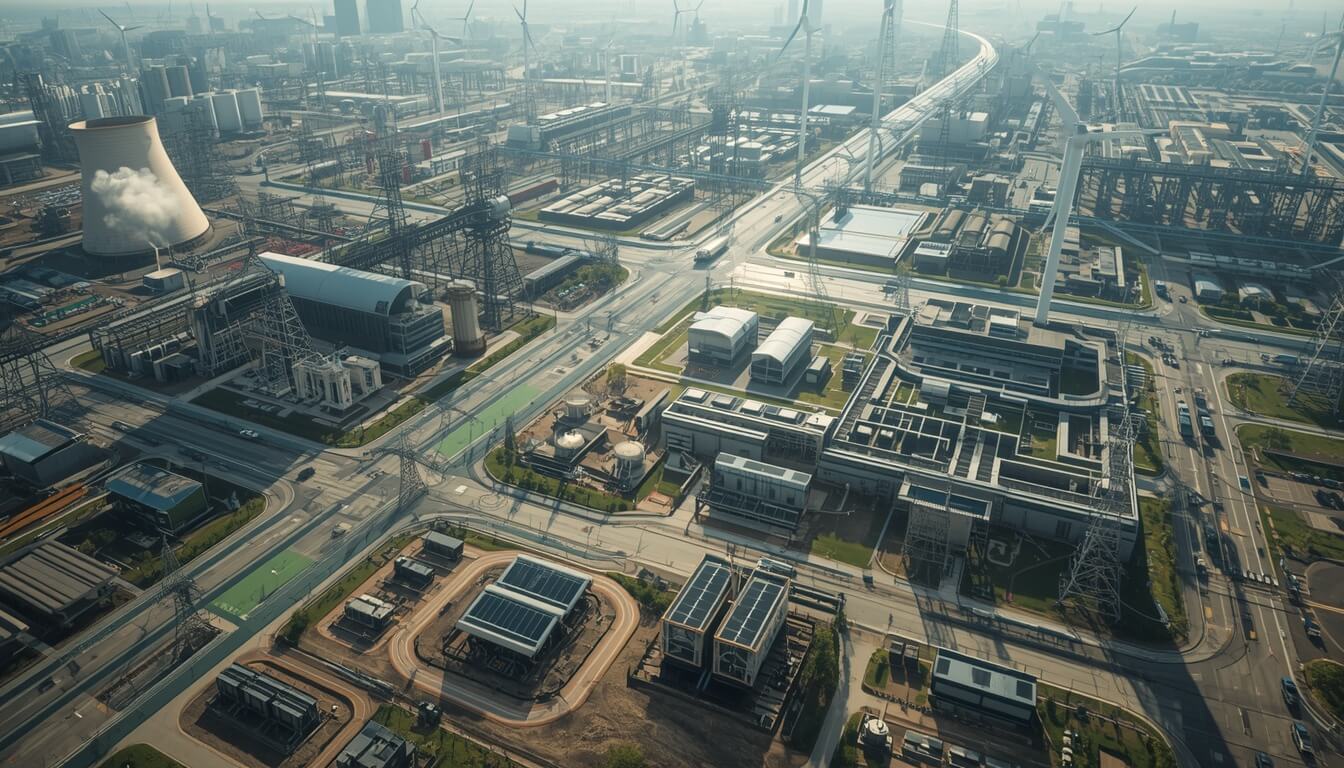
AI, electric vehicles and data centers are turning electricity into a defining constraint of the next economy. From solar to nuclear, the future power system is becoming a multi-technology race.
Read article →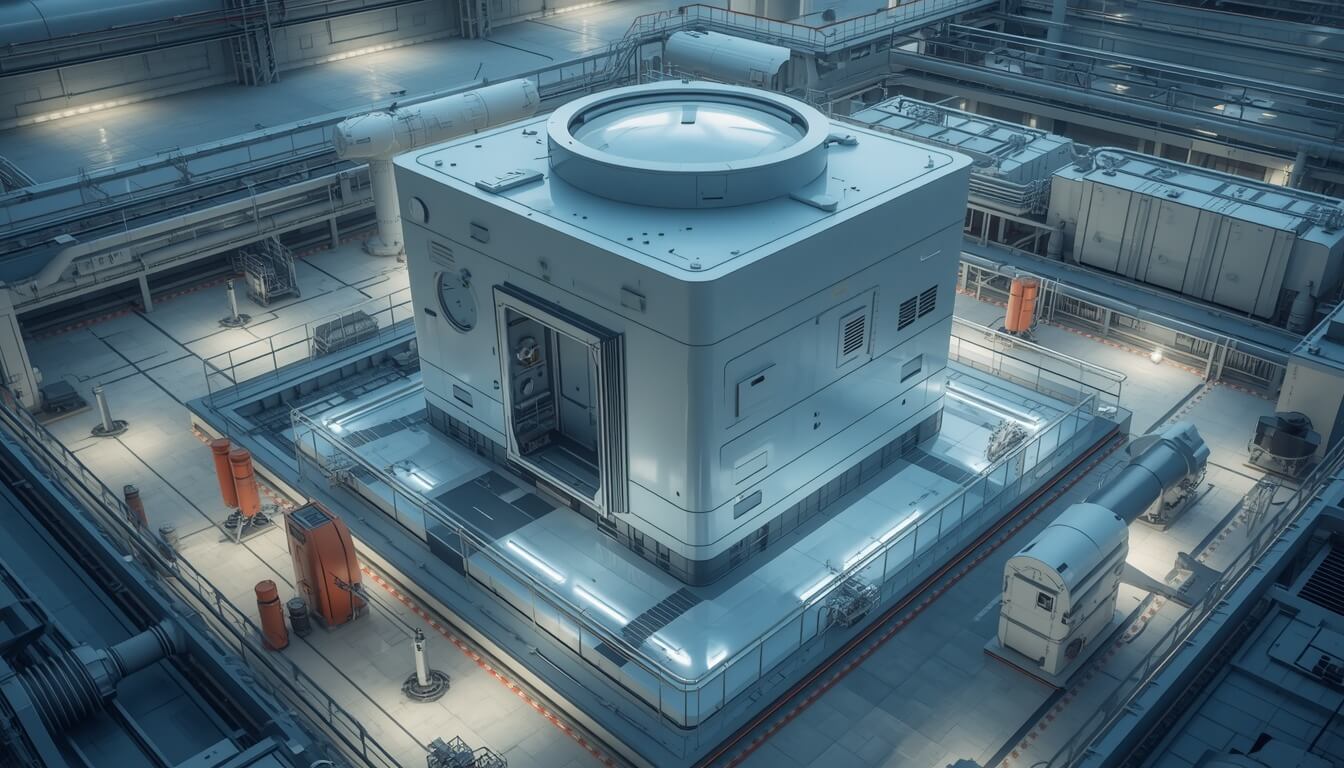
Small modular reactors promise a different industrial model for nuclear power. But with cost, fuel supply and regulation still unproven at scale, the question is whether SMRs can become real infrastructure.
Read article →